
Why Savarin Remains a Favorite in Traditional European Baking
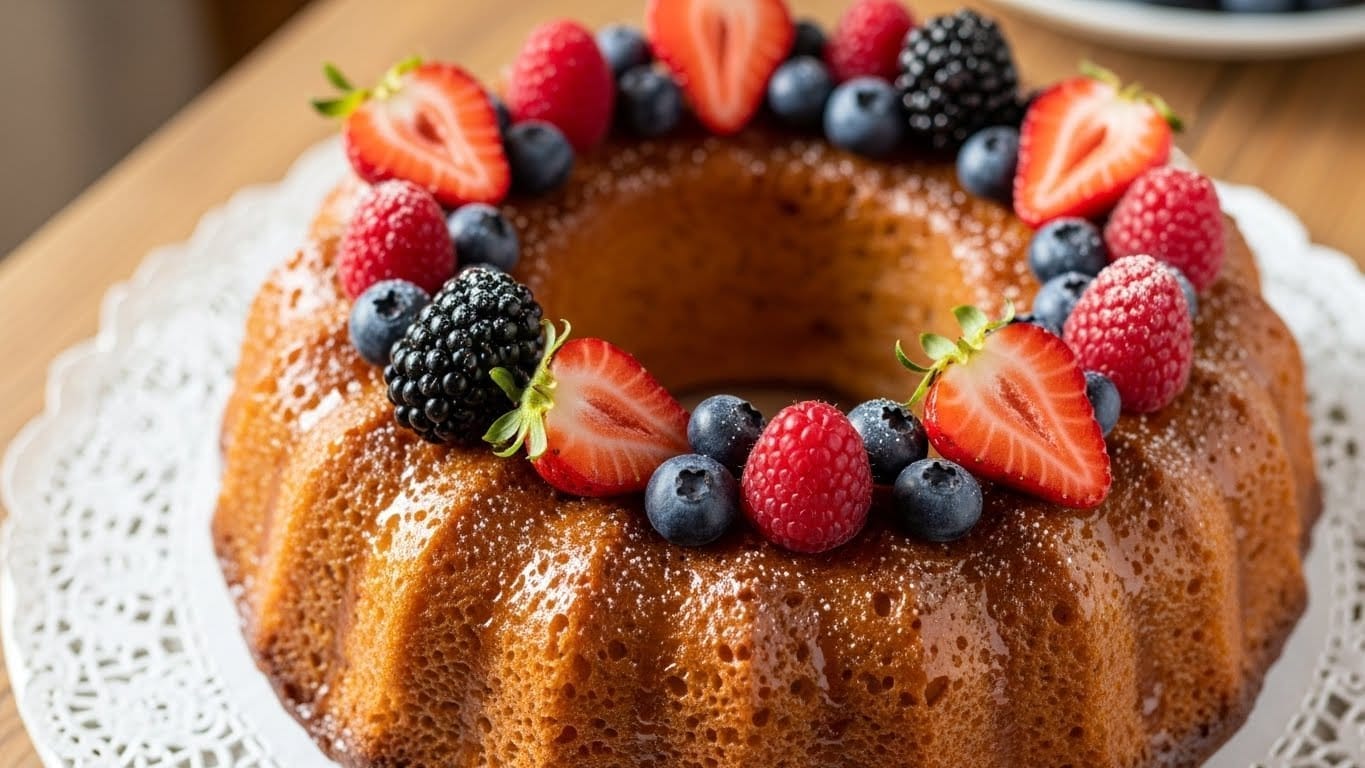
Savarin is a classic European dessert that has stood the test of time, remaining a favorite in traditional baking despite changing food trends. Known for its light, airy texture and rich syrup-soaked flavor, Savarin represents the elegance and craftsmanship of old-world pastry making. Its continued popularity comes from a perfect balance of simplicity and indulgence, making it a dessert that feels both comforting and refined.
The Historical Roots of Savarin in European Cuisine
Savarin has deep roots in French culinary history and is closely linked to the development of yeast-based cakes in Europe. Named after the famous gastronome Jean Anthelme Brillat-Savarin, the dessert reflects a period when baking was as much an art as it was a science. Traditional European kitchens valued patience, fermentation, and technique, all of which are essential to creating an authentic Savarin.
The Unique Texture That Sets Savarin Apart
One of the main reasons Savarin remains beloved is its distinctive texture. Made with a yeast dough rather than a simple batter, the cake is light, spongy, and designed to absorb syrup without becoming heavy. This quality gives Savarin a melt-in-the-mouth experience that few other traditional desserts can match, making it memorable for anyone who tastes it.
The Role of Syrup and Flavor Infusion
Savarin is famous for being soaked in flavored syrup, often infused with rum, citrus, or vanilla. This step transforms the cake from a simple baked good into a luxurious dessert. European baking traditions place great emphasis on layered flavors, and Savarin perfectly demonstrates this approach by combining delicate dough with bold, aromatic syrup.
Versatility Within Traditional Baking Styles
Another reason Savarin remains popular is its versatility. While the classic version follows a traditional recipe, bakers across Europe have adapted it with regional flavors and presentations. It can be paired with fresh fruit, cream, or custard while still respecting its traditional identity, allowing it to evolve without losing its essence.
Cultural Significance in European Pastry Traditions
Savarin holds a special place in European pastry culture, often associated with celebrations, family gatherings, and elegant café displays. Its presence in traditional bakeries keeps culinary heritage alive and connects modern diners with centuries-old baking practices. This cultural value adds to its lasting appeal beyond just taste.
Why Savarin Continues to Inspire Modern Bakers
Despite being a traditional dessert, Savarin continues to inspire modern bakers who appreciate classic techniques and timeless flavors. Its reliance on skill, patience, and quality ingredients aligns with today’s renewed interest in artisanal and heritage baking. Savarin proves that well-crafted traditional recipes never truly go out of style.
Conclusion: A Timeless Classic in European Baking
Savarin remains a favorite in traditional European baking because it embodies history, technique, and flavor in a single dessert. Its light texture, rich syrup, and cultural significance ensure it continues to be enjoyed by new generations. As long as bakers value tradition and craftsmanship, Savarin will remain a cherished classic in European cuisine.

Created with © systeme.io